September 28, 2026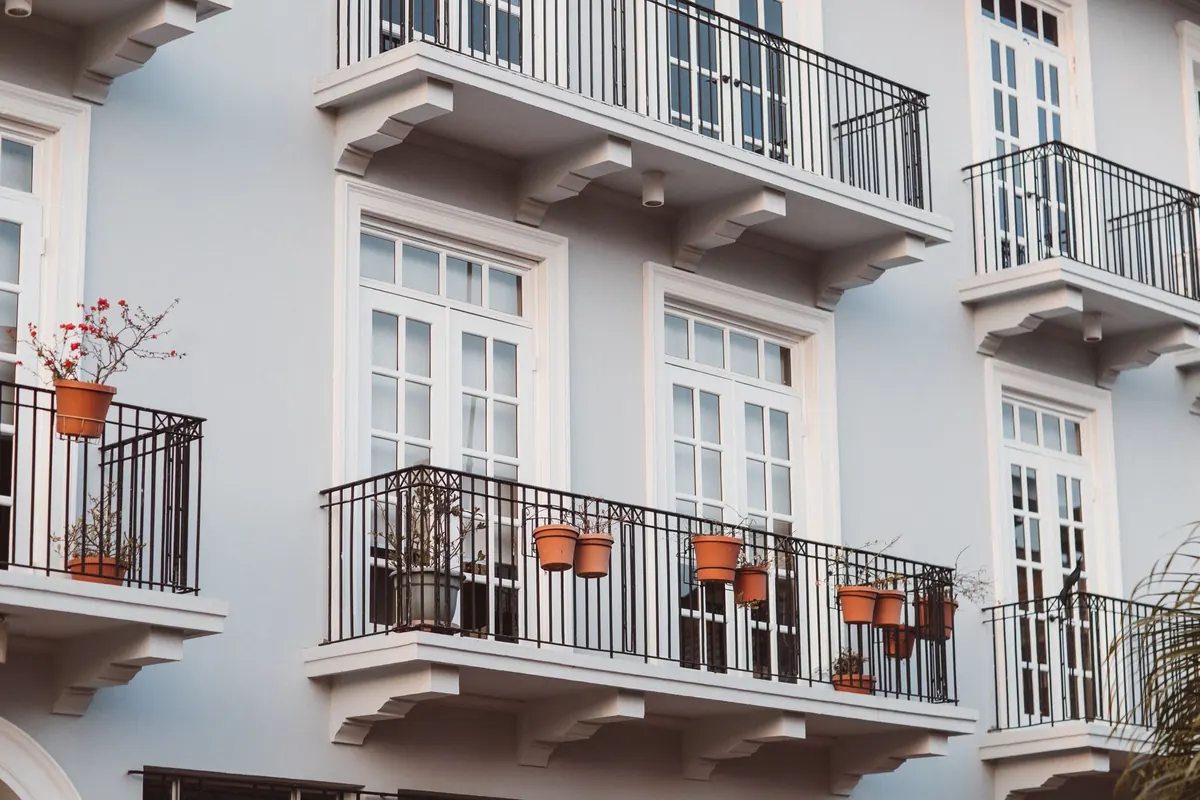
Herbs are the most forgiving plants you can grow in a container — right up until they are not. Basil sulks in soggy compost, rosemary sulks in rich compost, and mint will quietly annex the whole balcony if you give it half a chance. Most disappointments with potted herbs come down to four practical things: the pot, the compost, the drainage and the feeding.
What follows is a checklist rather than a lecture. Work through it as you plant, then keep it somewhere handy for the first few weeks, when container herbs are usually won or lost.
Start With the Pot, Not the Plant
Root room decides how well a herb copes. As a rough guide, give leafy herbs such as basil, parsley, coriander and chives a pot of at least 20cm across, and give the woody Mediterranean types — rosemary, sage, thyme, oregano, lavender — 30cm or more. A bay in a cramped pot will survive, but it will never look generous.
Material matters as much as size. Terracotta breathes and dries out quickly, which suits rosemary and thyme but punishes basil and mint. Glazed ceramic and plastic hold moisture for longer, so they are kinder to thirstier herbs. Buy the largest pot your space allows: small pots dry out within a day in July and swing wildly in temperature.
Group pots together rather than spacing them along a wall. Clustered plants shade each other's compost and create a slightly more humid pocket of air, which cuts down how often you need the watering can.
Drainage Is Not Optional
Every pot needs at least one hole in the base, and the water needs somewhere to go. Stand pots on feet or battens so they are not sitting flat on paving, and tip out saucers after heavy rain. Roots that stand in water rot quickly, and no amount of careful watering will rescue them.
There is a stubborn habit of putting gravel or broken crocks in the bottom of a pot to "improve drainage". It does not. It simply raises the saturated layer of compost closer to the roots. Use a free-draining mix and trust the hole instead.
A pot with no drainage hole is not a pot. It is a bucket.
If you have already fallen for a holeless container, either drill it or treat it as a cachepot with a smaller, properly drained pot sitting inside.
Compost: Match the Mix to the Herb
Most bags of multipurpose compost will grow basil, parsley, coriander, dill, chives and mint perfectly well. They hold moisture, they carry enough nutrients for roughly the first six weeks, and they are easy to find.
Woody herbs want something leaner and grittier. Mix multipurpose compost with horticultural grit or sharp sand at about two parts compost to one part grit, and stir through a handful of leaf mould for structure. Rosemary, thyme, oregano and lavender grown in rich, wet compost produce soft, floppy growth and often collapse in their second winter.
Avoid filling pots with soil dug from the border. It compacts in containers, drains badly and arrives with weed seeds and pests attached. A loam-based compost such as John Innes No. 2 is a reasonable middle ground for long-term pots.
One more rule: keep mint in a pot of its own. It spreads by underground runners and will crowd out anything sharing its compost.
The Planting Checklist
- Drainage hole? At least one, and clear of blockages.
- Wide enough? 20cm for leafy herbs, 30cm for woody ones.
- Off the ground? Pot feet or battens, so water escapes freely.
- Right compost? Multipurpose for soft herbs, gritty mix for Mediterranean types.
- Mint isolated? Its own pot, every time.
- Grouped and sheltered? Away from the strongest wind funnelling across a balcony.
- Sunny enough? Six hours or more for the sun-lovers; partial shade for mint, parsley and chives.
- Planted at the right depth? Set the rootball level with the compost surface, not buried.
Feeding and Watering: Less Than You Think
Overfeeding is the most common mistake with herbs, and it shows up as lush, tasteless leaves. Too much nitrogen pushes leafy growth at the expense of the oils that give herbs their flavour.
- Leafy herbs in active growth: a general-purpose liquid feed at half the recommended strength every two to three weeks, spring to late summer.
- Woody Mediterranean herbs: little or no feeding. Pot them into fresh gritty compost each spring instead.
- Herbs grown for their flowers, such as chives: a tomato-type feed, which is higher in potassium, once buds appear.
- Stop feeding by early autumn so new growth hardens off before winter.
Watering goes hand in hand with feeding. Push a finger 2cm into the compost before reaching for the can; if it feels damp, wait. When you do water, do it thoroughly until it runs out of the base, then leave the pot alone.
Sun, Shelter and a Weekly Turn
Rosemary, thyme, sage, oregano and basil want sun — six hours or more of it, ideally. Mint, parsley, chives and coriander manage in partial shade, which makes them sensible choices for a north-facing balcony or a shaded courtyard. Check the light your spot actually receives before you buy, not after.
Balconies funnel wind, which dries compost and snaps brittle stems. A low windbreak, a railing planter or simply a warm wall behind the pots makes a noticeable difference. Turn each pot a quarter-turn once a week so plants do not lean permanently towards the light.
Your First Two Weeks
Expect a little drooping at midday on hot days — that is usually heat, not thirst, and plants recover by evening. Drooping at dusk is a genuine cry for water. Yellowing lower leaves on basil are often just the oldest leaves retiring; yellowing across the whole plant usually means wet compost.
Pinch out the growing tips of basil and mint to keep them bushy, and start harvesting lightly as soon as plants are established. Regular cutting encourages more growth than leaving everything to mature. If roots appear through the drainage hole by midsummer, pot on into the next size up with fresh compost, water well, and keep the pot out of direct sun for a few days while it settles.
Photo: Luis Quintero / Pexels