September 19, 2026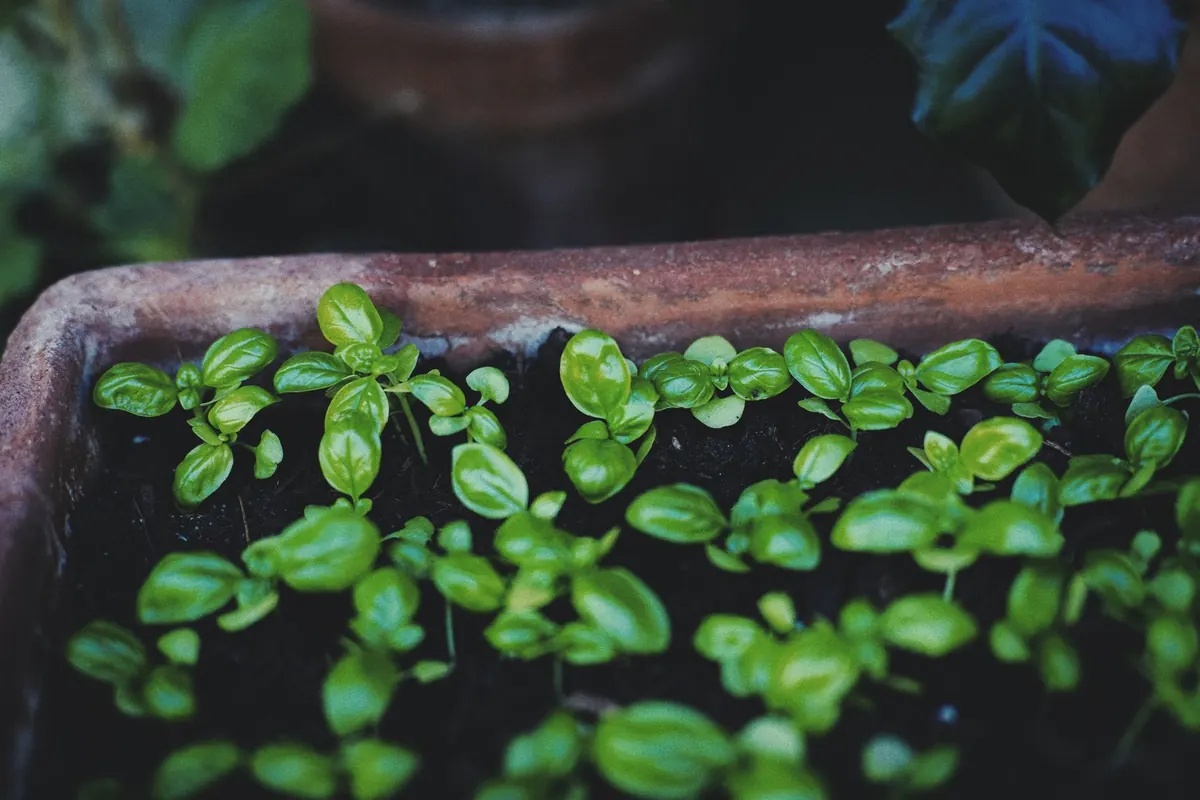
A herb garden is the cheapest upgrade your cooking will ever get. Three pots by the back door will out-flavour anything that arrives in a supermarket plastic packet, and they will cost you less than a takeaway. You do not need a big garden, a greenhouse or any particular skill. Most of the herbs we actually cook with are tough, forgiving plants that evolved on dry hillsides and quietly resent being fussed over.
What they do need is the right spot, decent drainage and a little consistency. Get those roughly right and you will be cutting your own parsley within a couple of months.
Find the sunniest, most convenient spot you have
Most of the herbs worth growing — thyme, rosemary, oregano, sage, basil — come from the Mediterranean, which means they want sun. Six hours a day is a sensible target. A south- or west-facing patio, a windowsill that catches the afternoon, or a strip of ground along a sunny wall will all do nicely.
Shelter matters as much as light. Cold wind damages tender herbs more than frost does in many UK gardens, and a pot in a draughty corner will sulk all summer. A wall, a fence or even a row of pots against the house makes a real difference.
Then there is the question nobody mentions: how far is the kitchen? A herb garden you have to put shoes on to visit is a herb garden you will forget about. Put the pots where you already walk past them.
Sort out the soil before you plant anything
Herbs fail far more often from soggy roots than from anything else. Whatever you grow in, drainage comes first.
Growing in the ground
Fork the area over, dig out perennial weeds properly — bindweed and couch grass will happily strangle a young thyme — and work in a couple of handfuls of garden compost per square metre. Do not pile on richness. Too much nitrogen gives you huge soft leaves with very little flavour, and soft growth flops in the wind. A modest, slightly gritty soil suits these plants better.
Growing in pots
Use a peat-free multipurpose compost and mix in horticultural grit at roughly one part grit to four parts compost for rosemary, thyme and oregano. Check that the pot has drainage holes and stand it on pot feet or a couple of stones so water can escape instead of pooling underneath.
Here is what you actually need to get going:
- Two or three pots at least 30 cm across, with drainage holes
- A bag of peat-free multipurpose compost
- A small bag of horticultural grit or sharp sand
- A watering can with a fine rose
- Herbs bought as plants rather than seeds, for a first attempt
Water properly, which is less often than you think
Overwatering kills more container herbs than drought ever will. The compost should be damp, never sodden.
Push a finger in up to the second knuckle. If it is dry that far down, water until it runs out of the bottom. If it is damp, walk away and check again tomorrow. That single habit will save more plants than any feed or gadget.
Pots dry out fast in July, especially terracotta, so during a heatwave you may need to water daily, and small pots twice a day. In spring and autumn, once or twice a week is usually plenty. In winter, barely at all. Rosemary and thyme would far rather be dry and cold than wet and cold, and winter wetness is the usual reason they rot.
Water in the morning where you can, aim at the compost rather than the leaves, and empty any saucer that is still full an hour later.
The five easiest herbs for a UK beginner
Mint
Almost impossible to kill, which makes it ideal for a first attempt. The catch is that it spreads by underground runners and will take over a border given half a chance, so keep it in its own pot and sink that pot into the ground if you want it in a bed. It tolerates shade and damp better than most herbs. Spearmint is the one for cooking; Moroccan mint makes the better cup of tea.
Chives
A tidy clump of grass-like leaves that returns every spring. Snip with scissors about 2 cm above the base and it regrows within a fortnight. The purple flowers are edible and look good scattered over a salad. Happy in sun or light shade, and it will quietly bulk up if you divide the clump every second spring.
Flat-leaf parsley
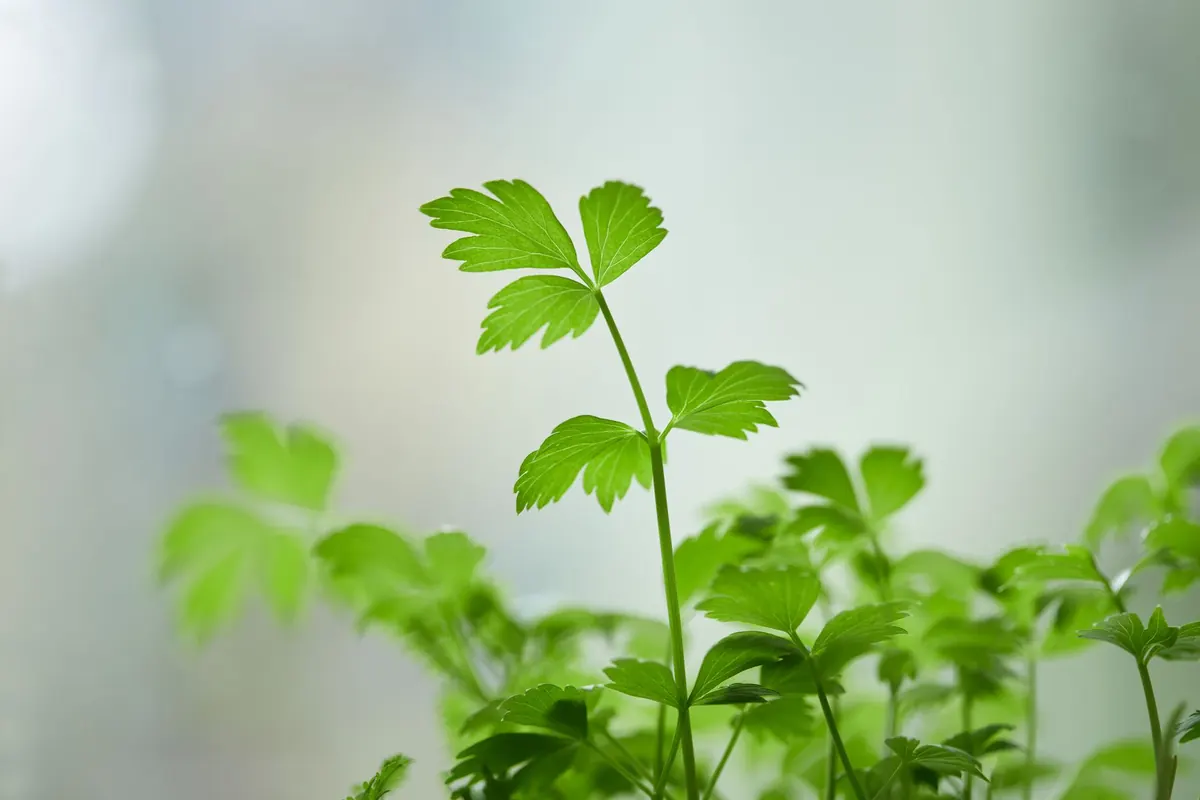
The most useful herb in the kitchen and the one beginners most often lose to dry compost. It likes moisture and a little richness, so it is the exception to the gritty rule. Buy a plant rather than sowing seed, because parsley germinates slowly and unevenly, and pick the outer stalks first. It is biennial, so it will flower and run to seed in its second year; replace it then.
Thyme
A small woody shrub that wants full sun, sharp drainage and very little water. Plant it in gritty compost, then mostly leave it alone. Trim it lightly after flowering to stop it going leggy.
Rosemary
Bigger and slower than the rest, so give it room or choose a compact variety for a pot. Same rules as thyme: sun, grit and restraint with the watering can. It dislikes being moved, so pick its spot properly the first time. Take only light pickings during its first year while it settles in.
Three habits that keep everything going
Harvest often. Regular picking keeps herbs bushy and stops them running to flower, but never strip more than about a third of a plant at once. Pinch out the growing tips of soft herbs to encourage side shoots rather than one tall stem.
Feed pots, not beds. A dilute liquid seaweed feed every fortnight through the growing season suits mint, chives and parsley; go easy on rosemary and thyme, which prefer lean conditions.
Watch for greenfly on soft new growth. A strong jet of water from the hose deals with small numbers, and it costs nothing.
Start small this weekend
Do not plant a whole herb garden in one go. Do this instead:
- Pick the sunniest spot within sight of your kitchen door.
- Buy three plants: mint, chives and flat-leaf parsley. Between them they will cope with almost anything a UK summer throws at them.
- Pot them into 30 cm containers of peat-free compost, with grit mixed through the compost for drainage, and water them in.
- Check the compost with your finger every couple of days for the first fortnight, then relax.
Add thyme and rosemary next spring, once you have a feel for how quickly your pots dry out. If you have a bright windowsill, a supermarket basil plant will last for months if you split it into three or four smaller pots and water it from below rather than over the leaves.
Herbs are forgiving. The worst that usually happens is that one plant dies and you learn what your patch does — a cheap lesson, and a useful one.
Photo: Andreas Schnabl / Pexels